
The New Generation of Door Access Control: Smarter, Safer, More Connected

Door access control has been protecting buildings for decades. The basic concept hasn’t changed: identify a person, determine whether that person is authorized, and unlock the door.
What has changed is the new technology used to accomplish those tasks.
Today’s access control systems can use smartphones instead of cards, biometrics to verify identity, cloud-based software to manage doors from anywhere, and integration with video surveillance, intercoms, visitor management, and other security systems.
These advances can transform access control from a relatively simple door-locking system into an important part of an organization’s overall security strategy.
This article describes some of the new ways access control can increase security.
Mobile Credentials Can Replace Traditional Keycards
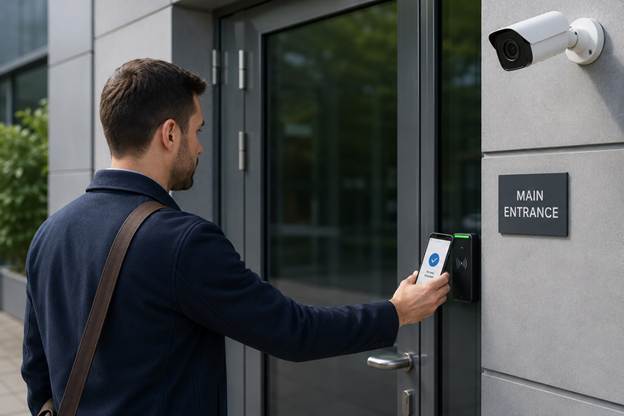
Traditional access cards have an inherent weakness: the system usually verifies the card, not necessarily the person carrying it.
Cards can be lost, loaned to another person, duplicated, or forgotten. Older proximity-card technologies may also be vulnerable to cloning.
Mobile credentials move the credential to a smartphone or other mobile device. Because most people closely protect their phones, this can reduce some of the problems associated with physical cards.
Mobile credentials can also be issued and revoked electronically. A new employee can receive a credential without waiting for a card to be printed, while the credential of someone leaving the organization can be quickly disabled.
The result is not only greater convenience but potentially better control over who has access to the facility.
Biometrics Verify the Person
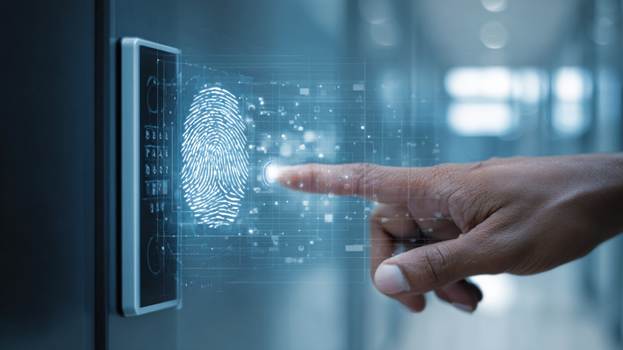
Biometric credentials take identification another step.
Instead of asking, “What do you have?”, such as a card or smartphone, biometrics can ask, “Who are you?”
Fingerprint, facial, palm, and other biometric technologies can help verify that the individual requesting access is actually the authorized person.
This can be particularly valuable in higher-security areas where an organization needs greater assurance that a credential has not simply been borrowed or stolen.
The appropriate biometric technology can be selected based on the application, desired security level, environment, privacy requirements, and user population.
Cloud Management Manages Access Control from Anywhere
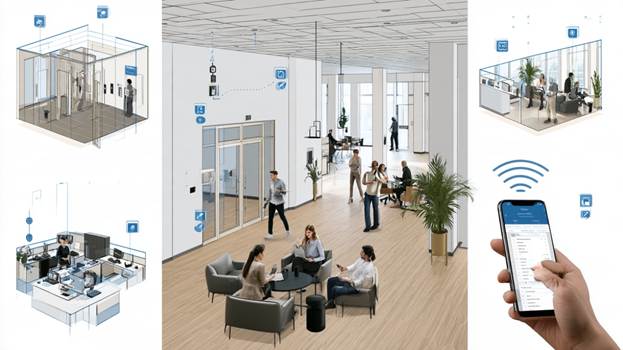
Traditional access control systems have often been managed by software and servers located at the facility.
Cloud-based access control changes that model.
Authorized administrators can manage users, credentials, doors, schedules, and multiple facilities remotely. This can be particularly valuable for organizations with many locations.
Suppose an employee leaves an organization unexpectedly. Rather than waiting for someone at a particular facility to remove that person’s access, an authorized administrator may be able to revoke the credential centrally.
Cloud management can also provide centralized visibility into events occurring across multiple buildings.
This means security personnel can potentially identify and respond to access-control issues more quickly.To learn more, see our article, Access Control Management Software: Cloud Versus On-site.
Integrating Access Control and Surveillance Video Provides Visual Verification
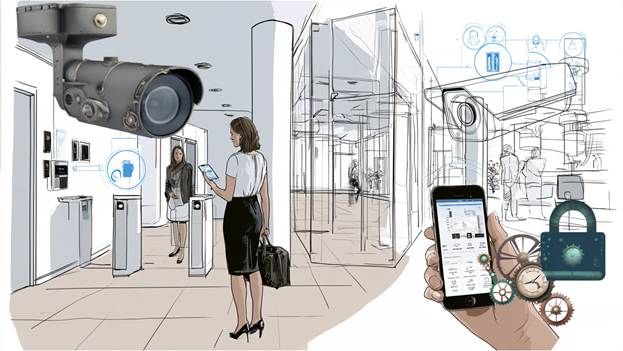
Access control tells you that a credential was used. Video surveillance can help show you who actually used it.
When access control is integrated with an IP video surveillance system, an access event can be associated with video from a nearby camera.
For example, suppose Mary’s credential opens the rear entrance at 11:30 p.m. The access control system records that Mary’s credential was used. The associated video can help security personnel determine whether Mary actually entered, or whether someone else was using her credential.
The combination provides considerably more information than either system alone.
Intercoms Add Communication to the Door to Control Access
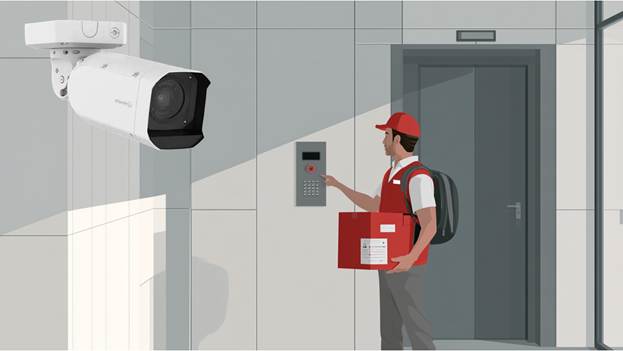
IP intercoms provide another layer of security.
A visitor who doesn’t have a credential can contact security or reception. Personnel can speak with the visitor, view the person through an associated camera, determine why the person is there, and remotely release the door when appropriate.
The process becomes:
See the person.
Speak with the person.
Verify the person.
Control the door.
This is much more secure than simply unlocking a door in response to a bell or telephone call.
Visitor Management Improves Temporary Access
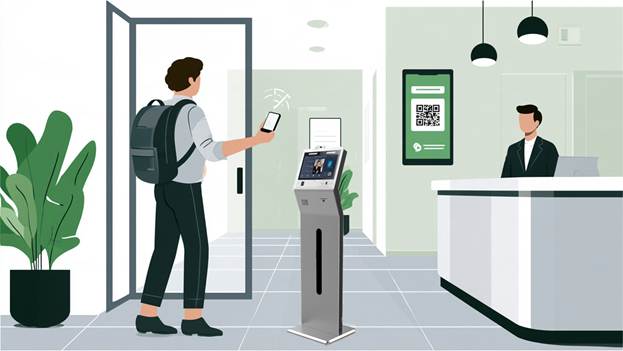
Employees aren’t the only people entering a building.
Visitors, contractors, delivery personnel, service technicians, and temporary workers also require access.
Modern visitor-management systems can work with access control to provide temporary credentials with clearly defined permissions.
For example, a contractor might receive access to one building between 9:00 a.m. and 3:00 p.m. for one day. After that period, the credential automatically expires.
This follows an important security principle: give people access only to the places they need, for only as long as they need it.
Smarter Systems Can Identify Unusual Activity
Modern access control systems can also provide security personnel with better information about what’s happening at the doors.
Repeated denied-access attempts, doors held open too long, forced doors, unusual activity outside normal schedules, and other events can generate alerts.
When access control is integrated with cameras and other security systems, an alert can provide both the event and the visual information needed to evaluate it.
Instead of discovering an incident later by reviewing logs, security personnel may be able to investigate while it is happening.
Summary of the Latest Access Control Systems
Modern access control provides much more information:
Who is this person? Should they be here? Where are they permitted to go? Can we verify that it is really them? What is happening at the door? And what should the security system do next?
Access control is no longer just about unlocking doors. It has become part of an integrated security system that keeps us safer.
If you need help determining the best access control system for your organization, please get in touch with us at 914-944-3425, email dennis@kintronics.com, see our website Kintronics.com use our contact form.