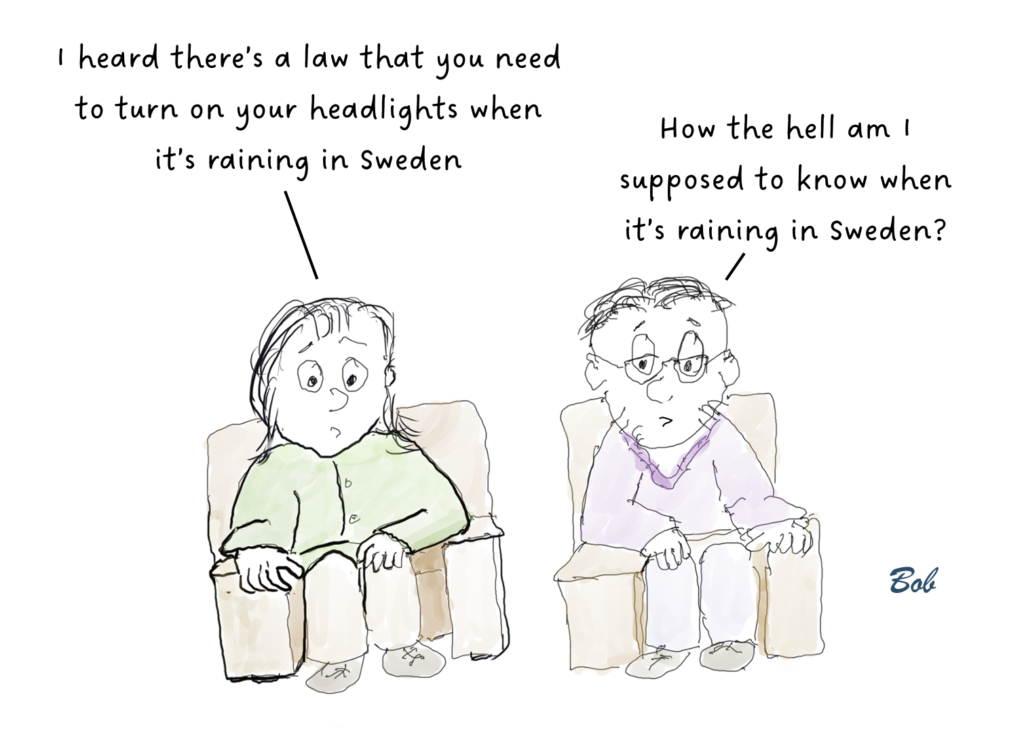
Some Dad Jokes
“Did you hear about the man who invented the shovel? Some say he had a ground-breaking invention.”
Continue reading “Technical Jokes and Cartoons – 117”
“Did you hear about the man who invented the shovel? Some say he had a ground-breaking invention.”
Continue reading “Technical Jokes and Cartoons – 117”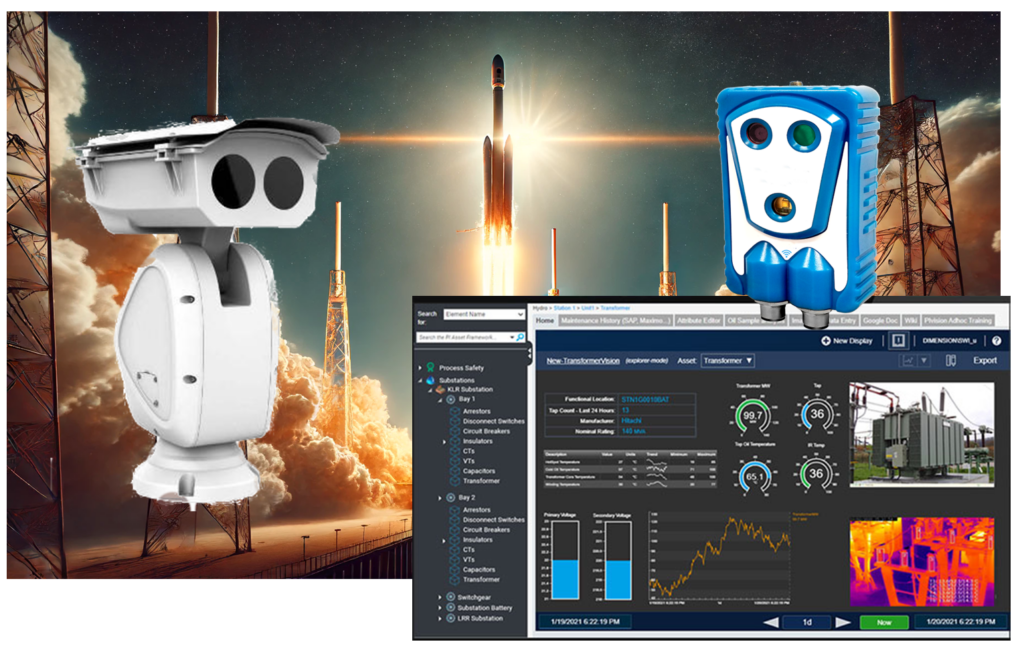
Thermal cameras are used in industrial manufacturing, revolutionizing equipment health protocols. In surveillance monitoring, they enhance threat detection, improving safety and security.
This article describes and compares thermal cameras and how they are used.
Continue reading “Thermal Camera Comparison”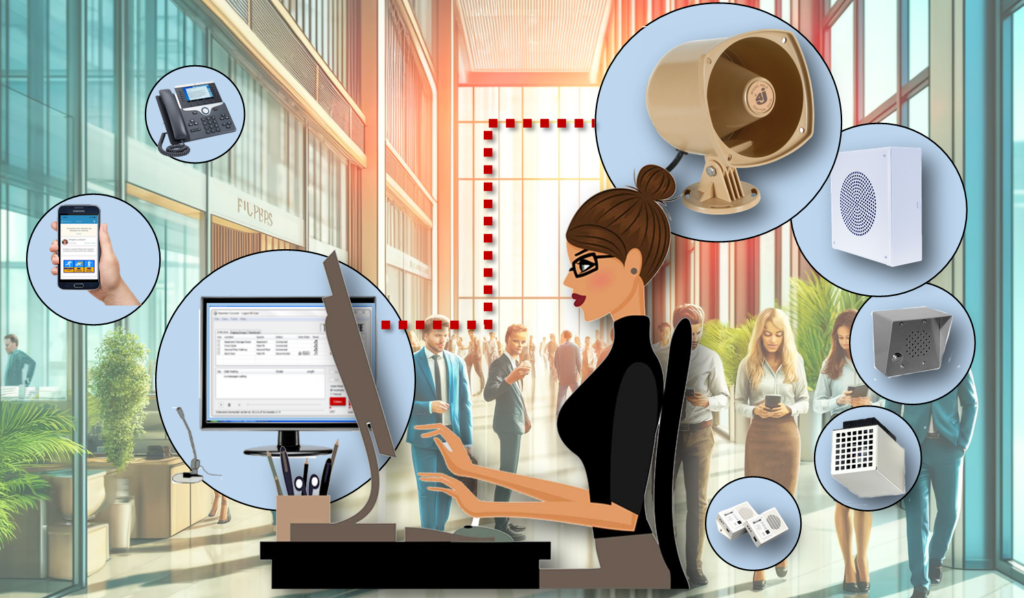
IP paging systems, which use Internet Protocol (IP) networks for communication, offer several significant benefits over traditional paging systems. These advantages span various aspects, including functionality, scalability, and cost-effectiveness. Here are the key benefits of IP paging systems:
Continue reading “Benefits of IP Paging Systems”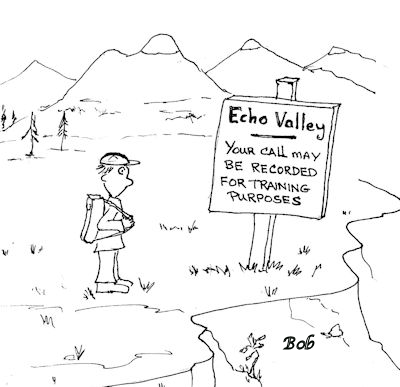
A crow was sitting in a tree whistling a tune… A small rabbit saw the crow, and asked him, “Can I also sit like you and do nothing all day long?”
The crow answered “Sure, why not.”
So, the rabbit sat on the ground below the crow, and rested. Suddenly, a fox appeared, jumped on the rabbit and ate it.
Moral of the story:
To be sitting and doing nothing, you must be sitting very, very high up.

Access control is used in apartment houses to regulate who can enter the building, specific areas such as parking, and each apartment. The addition of the latest access control systems makes it easy to enhance safety and is easy to install.
This article describes how door access can control the entry of residents and visitors.
Continue reading “Access Control in an Apartment House”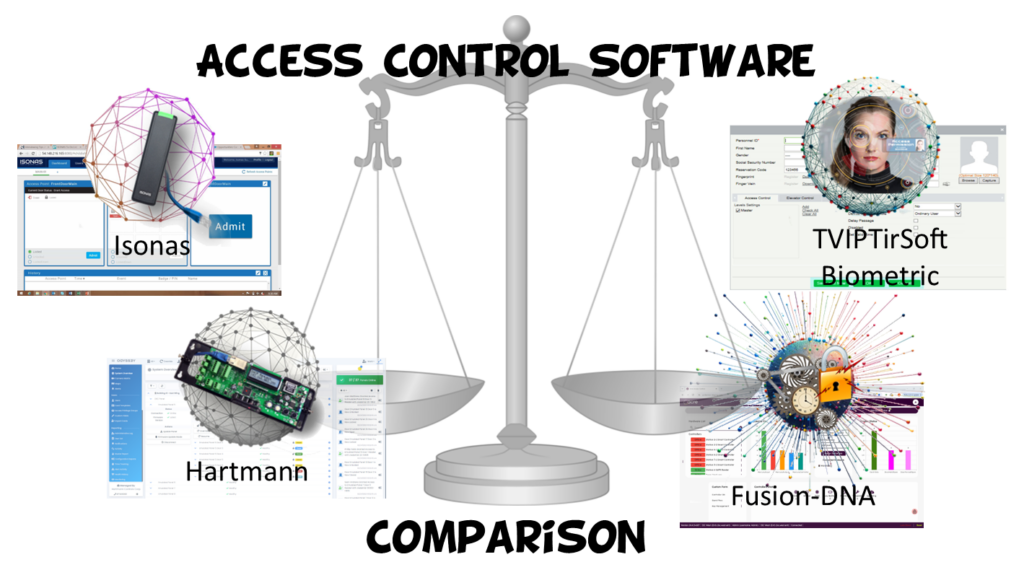
Are you planning to purchase a new access control system or upgrade an old one? The access control management software is critical because it provides many essential features and functions that will make a difference in the functionality of your access control system.
This article compares the features and functions of different access control management software.
Continue reading “Comparison of Access Control Software”
A guy goes to the doctor with a severe upset stomach. The doctor diagnoses a tapeworm, but says “not to worry”, he’s got a surefire cure.
“Okay!” Says the guy, “When can you start? I can’t stand the thought of a tapeworm in me.”
Continue reading “Technical Jokes and Cartoons – 115”
An IP Access Control System contains door readers, controllers, electric locks, credentials, and access control management software. Since we are a complete solution provider, we receive many questions about the technology. We have compiled some of the questions and provided answers that should be helpful. This article also includes reference articles to help you better understand the access control system.
Continue reading “Access Control Q & A”
We get many questions about IP camera systems and answer them daily. Here are some of the popular questions and answers.
Continue reading “IP Camera Systems Questions & Answers”
Sam died and left $50,000 in his will for an elaborate funeral.
As the last attenders left, Sam’s wife, Rose, turned to her oldest friend, Sadie, and said: “Well, I’m sure Sam would be pleased.” “I’m sure you’re right” replied Sadie, who leaned in close and lowered her voice to a whisper: “tell me, how much did it really cost?” “All of it” said Rose. “50,000.” “No!” Sadie exclaimed.”
I mean, it was very nice, but really…….$50,000?” Rose nodded. “The funeral was $6500. I donated $500 to the synagogue. The food and drinks for another $500. And the rest went towards the memorial stone.”