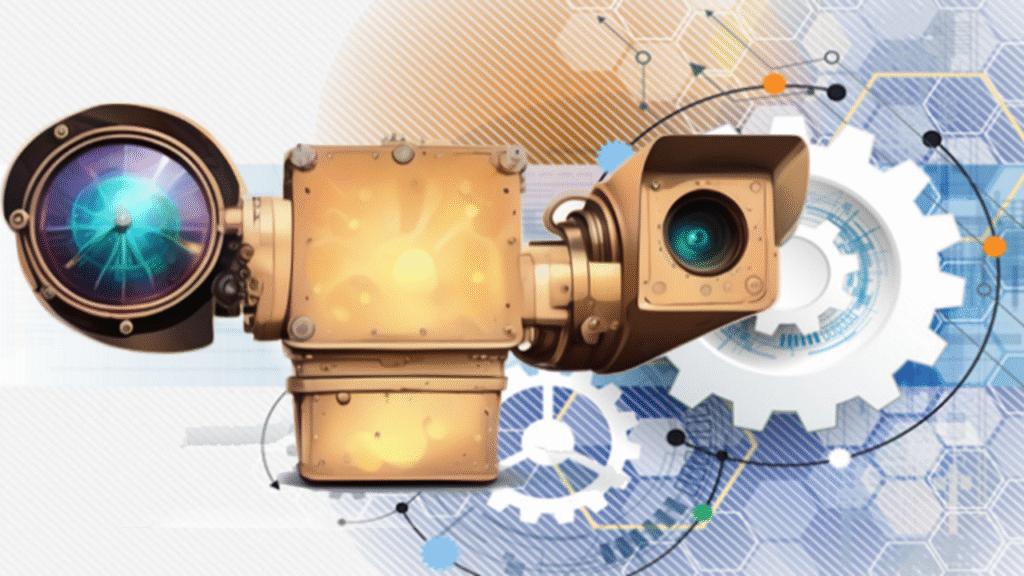
If you want to detect an object many miles away, you will need a special long-range PTZ camera. While custom-made cameras are best for very long-range applications, the latest off-the-shelf cameras provide some of the same capability for less money. These long-range PTZ cameras are very cost-effective, and allow you to detect a person almost 4-miles away. They have built-in IR-illumination or an additional thermal imaging camera that allows you to see an object over ½ mile away. Prices range from less than $3,000 to about $25,000.
If you want to detect an object many miles away, you will need a special long-range PTZ camera. While custom-made cameras are best for very long-range applications, the latest off-the-shelf cameras provide some of the same capability for less money. These long-range PTZ cameras are very cost-effective, and allow you to detect a person almost 4-miles away. They have built-in IR-illumination or an additional thermal imaging camera that allows you to see an object over ½ mile away. Prices range from less than $3,000 to about $25,000.
The basic difference between the off-the-shelf cameras and the custom made cameras is their performance. The custom long-range cameras take much longer to build because they use special components. The custom long-range cameras generally will provide much better operational distance, especially at night. Custom-made systems can view objects at night that are over 8 miles away. They include very long distance lenses, specialized laser illuminators, special thermal cameras, and very high-performance pan tilt mechanisms. Off-the-shelf long-range cameras cost less than $25,000, while custom cameras range in price from $50,000 to well over $150,000. Here is a summary of the systems available:
How Write-Once Storage is Used to Protect Video Evidence From Your Ip Surveillance System
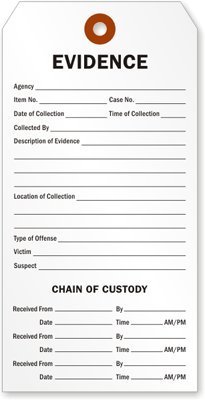
One of the objectives of a video security system is to help law enforcement prosecute miscreants. It is important that this digital evidence follow the rules for chain of evidence so it will be acceptable by the courts. It must be treated just like fingerprints, confiscated weapons, and other physical objects that need to be authenticated in court. Ensuring the immutability of digital information can be challenging because a knowledgeable person can modify the evidence if it is not secured. How can we assure that the information has not been edited, deleted, or modified in any way? This article reviews some of the methods for protecting the video chain of evidence.
Procedures Required
In all cases, defined methods of handling and storing the video data need to be followed. Once an incident occurs, the organization should follow a procedure that protects the video. The first step is to transfer the video evidence to secure storage that can’t be changed. This can be DVR-R disc or a protected hard drive. Once the video is transferred, it can be provided to law enforcement.
How to Protect Your Computer from Ransomware and Other Malware
What if you didn’t have to worry about ransomware or any other viruses? Unfortunately, cybercrime has become a major problem for the Chief Technology Officer (CTO) who is tasked with protecting the company’s computer systems, as well as the CEO who has to deal with the consequences of an attack. Large corporations such as Merck, Mondelez, Sony and DLA Piper have been infected by malware. Hospitals and organizations around the world have not been spared. It has become a global problem.
There are a number of virus protection programs that attempt to block malware from entering the system, but none of the solutions work all the time. A good solution is to be more careful with email, but it is hard to control everyone in the organization. An extreme solution is to take the computer off the Internet, but this prevents access to people who need the data.
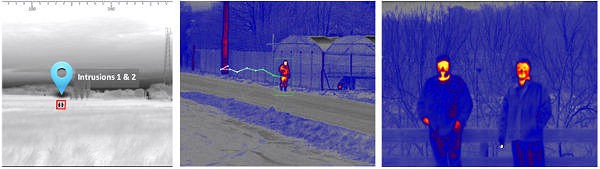
I was not sure what to call this article. I first thought it should be titled, “Why The Johnson Criteria is Wrong.” We use this criterion to predict how far away we can see something using a specific camera and lens. The criteria define the threshold for detection, recognition, and identification (DRI). The industry has used this criterion since World War II. It has not been updated to reflect today’s technology and resolution requirements.
What Is the Most Secure Door Access Control System?
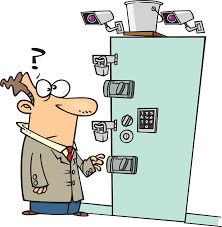
How secure are door access control systems? Pricing can range from less than $100 for a single door to over $1100 per door. What do you get for the money? In some cases, the security level provided can be crucial to your safety.
How can we stay ahead of miscreants that are dedicated to breaking through our security systems? This article summarizes the various levels of electronic security provided by different door control systems. Level 1 provides the least overall security while level 4 provides the highest level of protection. We compared the cost against the effectiveness of each type of system.
How secure are door access control systems? Pricing can range from less than $100 for a single door to over $1100 per door. What do you get for the money? In some cases, the security level provided can be crucial to your safety.
How can we stay ahead of miscreants that are dedicated to breaking through our security systems? This article summarizes the various levels of electronic security provided by different door control systems. Level 1 provides the least overall security while level 4 provides the highest level of protection. We compared the cost against the effectiveness of each type of system.
A panoramic camera provides a very wide unbroken view in all directions. The panoramic view can be achieved using a single sensor or an array of sensors (or cameras). Single-sensor 360-degree or fisheye cameras have been around for many years. The problem with panoramic cameras has always been the lack of detail available at a distance. The latest high-resolution cameras and multi-sensor cameras provide much better resolution. They can be used in standard surveillance applications, as well as situational awareness. I define standard surveillance applications as situations where you want enough resolution to identify people in the view.
This article describes how to determine the viewing distance of different panoramic IP cameras. It compares single-sensor, multi-sensor, and multi-directional IP cameras. Multi-directional cameras are not considered to be true panoramic, but in many cases, can be used in the same applications.
How to Integrate Access Control with Fire Alarm Systems
Integration of Access Control and Fire Alarm
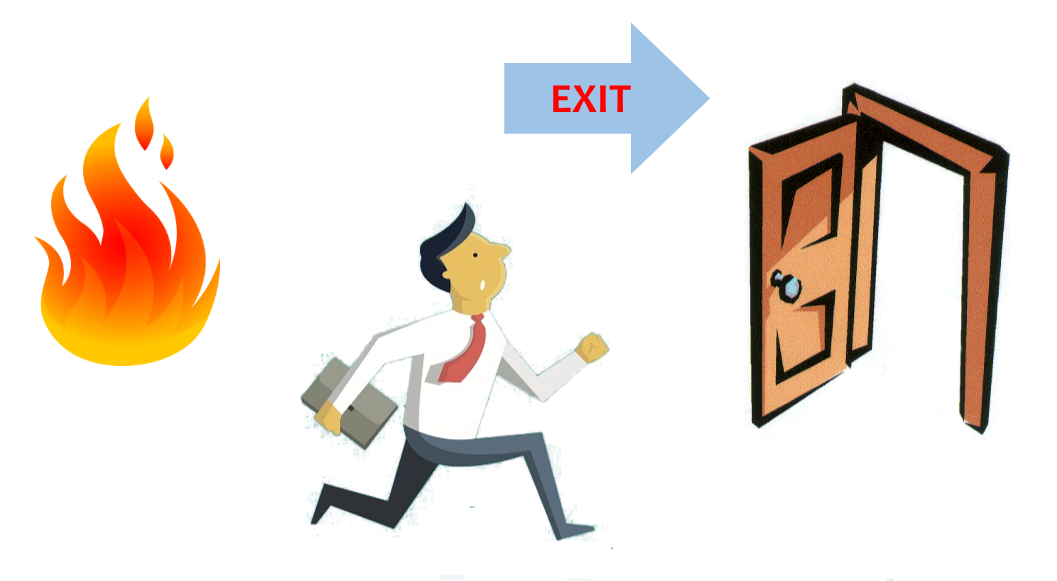
Door access control systems control the electric locks. They allow authorized people to enter through the controlled doors. However, what happens in the event of a fire? The access control system could prevent people from escaping or prevent the fire department from entering the building. Many municipalities provide rules for how the fire alarm integrates with the door access system. This article describes how to integrate access control and fire alarm systems.
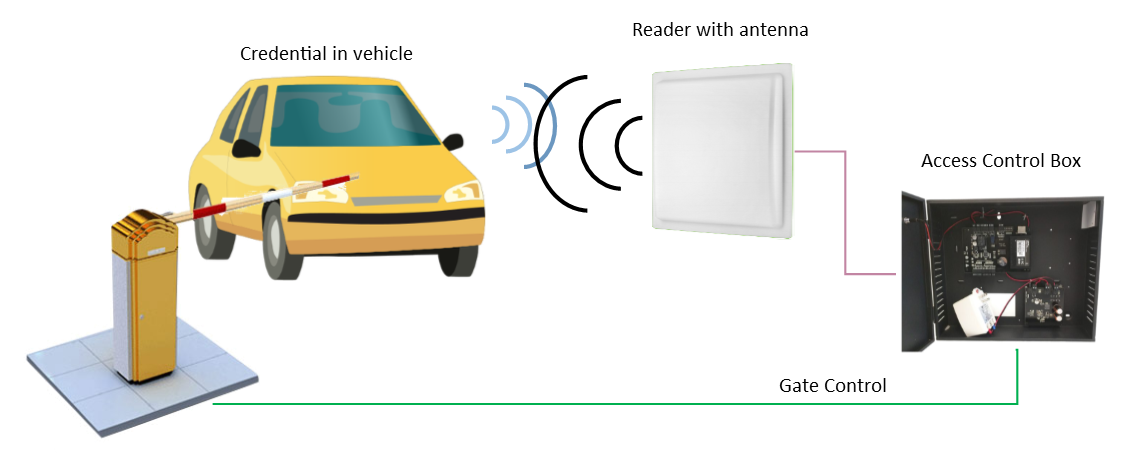
Long-range access control systems are similar to the standard IP door access control systems. They read a credential and determine if the door or gate should be opened. While the standard systems have a very short range, measured in inches, the long range readers can operate at a range of over 25 ft. When you want to open a gate to a parking garage from your vehicle, you really can’t use a standard reader. You need a system that provides a much longer range.
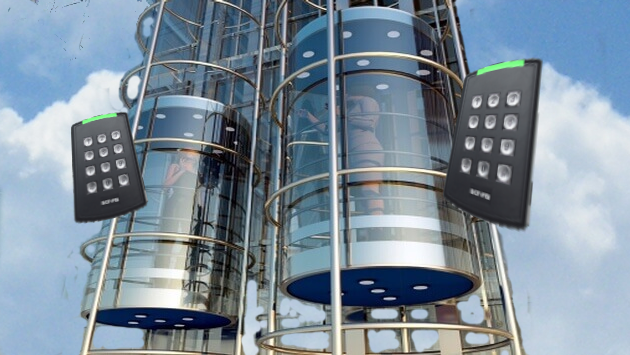
Elevator access control determines what floors the elevator can go to
Elevators In multi-floor buildings can be made more secure by adding elevator access controls. These controllers determine who can reach certain floors. For example, we can assure that only the approved people can get to the 3rd floor where the IT department is located.
With this type of system installed, the people who work in accounting only have access to the third floor, while people in advertising can only go to the 5th floor.
Floors that contain general areas such as cafeteria or fitness center, would typically be available to everyone. We can also program the system to allow certain people, such as the executives to go to any floor.
The secret to designing your sound system is to start at the ears.
The design of an IP paging system starts with the sound level required for people to hear an announcement. Once we know the right sound level, we can define everything else.
The sound level we hear is affected by the background noise, the distance from the IP speaker, and if we are indoors or outdoors.
We require different paging equipment if the system is used in an office building, or a noisy manufacturing plant. We select different IP speakers and amplifiers when we are inside a classroom, or when we are in the hallways of the school. This article describes how to calculate the speaker, the power required at each speaker, and the best place to mount the speakers.