Pan, Tilt Zoom Cameras Provide Increased Capability
PTZ Cameras
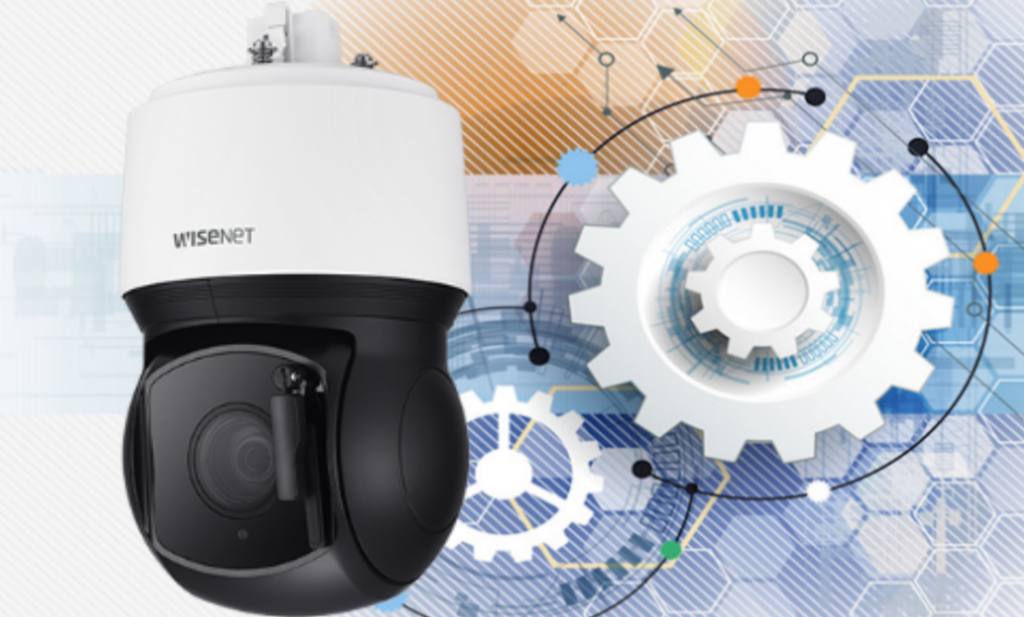
We have come a long way since the first pan, tilt, zoom (PTZ) cameras. The first PTZ cameras were relatively primitive. These early cameras shared the technology with television cameras and used vidicon vacuum tubes and other analog components to capture the video.
This article describes the evolution of the PTZ cameras from coax connected analog cameras to network-attached digital cameras with much greater capability.
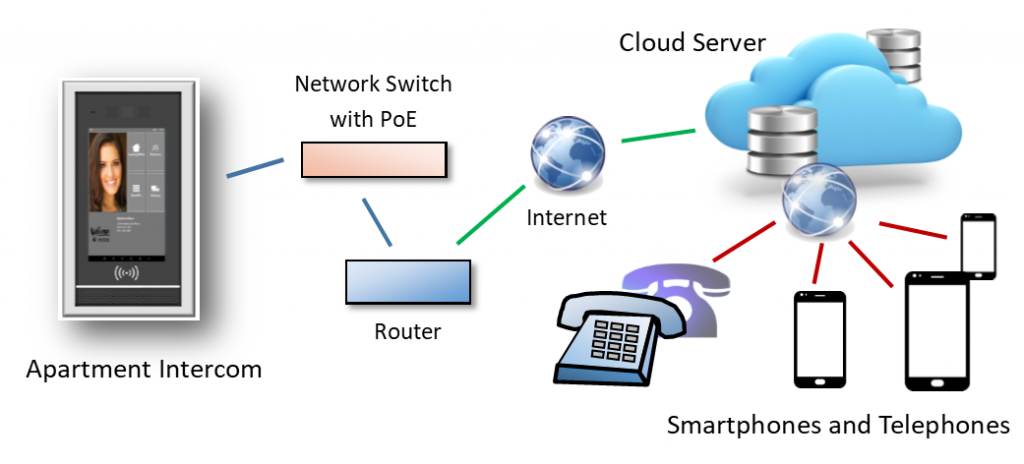
The latest IP apartment intercoms use wireless networks to communicate with the tenant. The new wireless multi-tenant intercoms allow you to contact the resident’s smartphone or standard phone to request entry into the building. The lobby intercom touchscreen display provides a list of all the tenants in the building.
This article provides critical features and functions of the best apartment intercom systems.
Is there anything nice we can say about 2020? Not much except maybe, I don’t think murder hornets killed anyone. It certainly was a challenging year, and we are all happy to say goodbye.
Technology in 2020
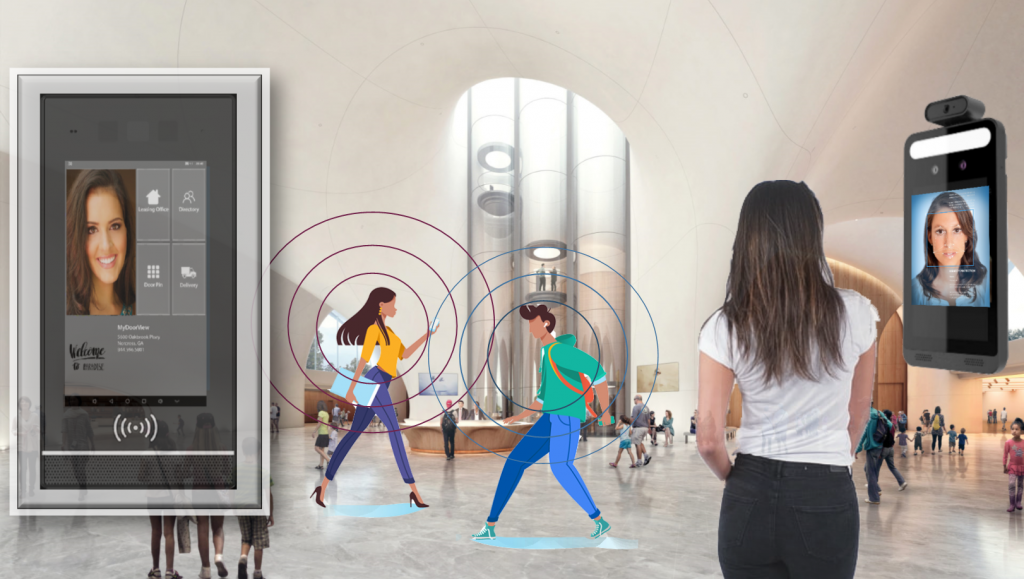
It was a year of the pandemic and of science finding vaccines in record-breaking time. It was a year where we worked at home and discovered we could do this anywhere in the world. It caused an upheaval in the real estate market as we moved out of big cities and corporations downsized. SpaceX changed how we went to space, and engineers developed face recognition panels that checked our temperature as we entered the building.
This article reviews some of the technology for the security and surveillance market introduced in 2020.
What’s the difference between a home surveillance camera and a commercial IP camera system used in schools, office buildings, and hospitals?
Cameras for Home and Office
Home IP Cameras cost between $20 and $100, while the professional IP cameras range from $150 to over $2,000. There is a difference. This article compares the capability you should expect from a home camera versus a commercial surveillance IP camera system.
A guy spots a sign outside a house that reads “Talking Dog for Sale.” Intrigued, he walks in.
“So, what have you done with your life?” he asks the dog.
“I’ve led a very full life,” says the dog. “I lived in the Alps rescuing avalanche victims. Then I served my country in Iraq. And now I spend my days reading to the residents of a retirement home.”
The guy is flabbergasted. He asks the dog’s owner, “Why on Earth would you want to get rid of an incredible dog like that?”
The owner says, “Because he’s a liar! He never did any of that!”
You might not recognize one of the holidays. Hogswatch Night was created by Terry Pratchett, who is one of my favorite authors
Paging systems have changed over the years. Remember the old days when the principal would make announcements on that old PA system. You were lucky to hear anything that was said.
Paging Over IP
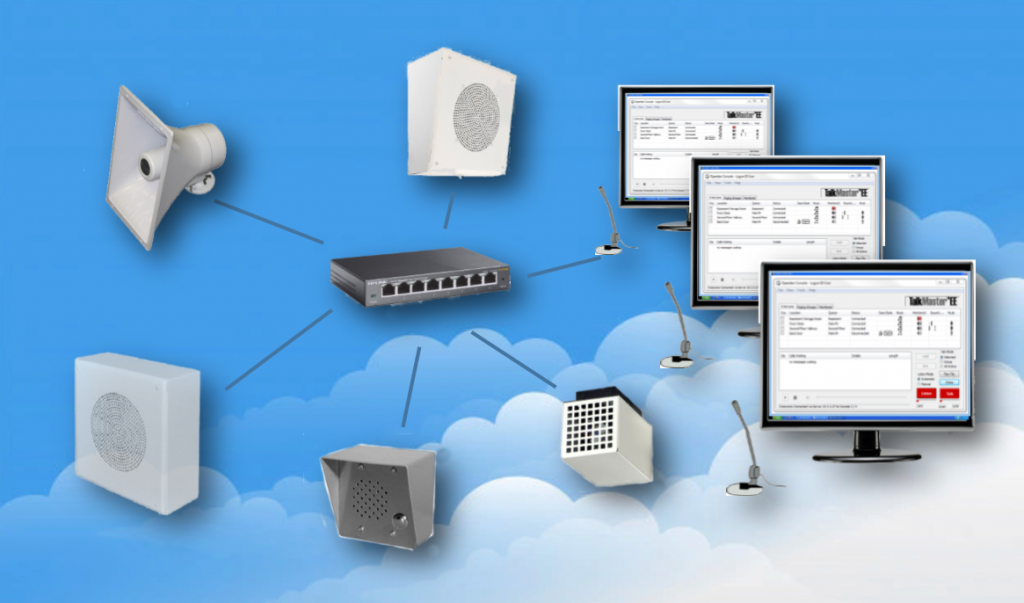
The principal had a microphone attached to a clunky amplifier. It had a large knob that adjusted the volume. All the speakers were wired to this central amplifier. Many of these old paging systems have reached end-of-life, and people are looking for replacements.
The world of paging systems has changed. Now, it’s all digital. This evolution has made paging systems much simpler to install and provide new functions that were not available in the older systems.
Installation Practices for Door Access Control Systems
There are several things to consider when selecting and installing a door access control system.
Access Control Practices
These safer practices increase the overall security of the system.
System security starts with the correct type of door-reader and secure wiring. It requires the right electric lock and an exit methodology for maglocks. It is also essential to select the right management software and additional security and safety features.
Two young boys walked into a pharmacy one day, picked out a box of tampons, and proceeded to the checkout counter.
The pharmacist at the counter asked the older boy, ‘Son, how old are you?’
‘Eight,’ the boy replied.
The man continued, ‘Do you know what these are used for?’
The boy replied, ‘Not exactly, but they aren’t for me. They’re for him. He’s my brother. He’s four.”
“Oh, really?” the pharmacist replied with a grin.
“Yes.” the boy said. “We saw on TV that if you use these, you would be able to swim, play tennis and ride a bike. Right now, he can’t do none of those.”
Review of the Technologies that Help in a Pandemic
Face Recognition and Other Technologies
So is face recognition good or bad? Does it invade our privacy, or does it make us more secure? Facial recognition has had a difficult time in the market. When it was first introduced, it was a promising technology, but it was costly. Over the last few years, the price has become more reasonable, yet this biometric technology faced many challenges. There were concerns of reliability, and more recently, it was attacked for impinging on our privacy.