How IP Camera Systems and Door Access Help With Infectious Disease Control
Hospitals and Technology
The current health crisis has placed a significant strain on all hospital resources. Besides the problem of medical supplies and protective equipment, they have been struggling with finding rooms for all the new infectious patients. The hospitals have been creating inventive solutions to meet these challenges.
IP surveillance, intercoms, and door access control have
been used to control how people move through all areas of hospitals. This
article describes how technology is being used to help hospitals and other
healthcare organizations meet the challenges of the COVID-19 pandemic.
An actor had been out of work for 15 years because he always forgot his lines. Then one day he got a phone call from a director who wanted him for a big part in a play.
All he had to say was, “Hark! I hear the cannon roar! After much worry, the actor decided to take the role.
Opening night arrived, and while he waited in the wings, the actor muttered to himself “Hark! I hear the cannon roar! Hark! I hear the cannon roar! The time for the entrance finally came, and as the actor made his appearance, he heard a loud brooooom! He turned around and said, “what the hell was that?
The “IP” means that
the camera connects to the network rather than to a DVR using a coax cable.
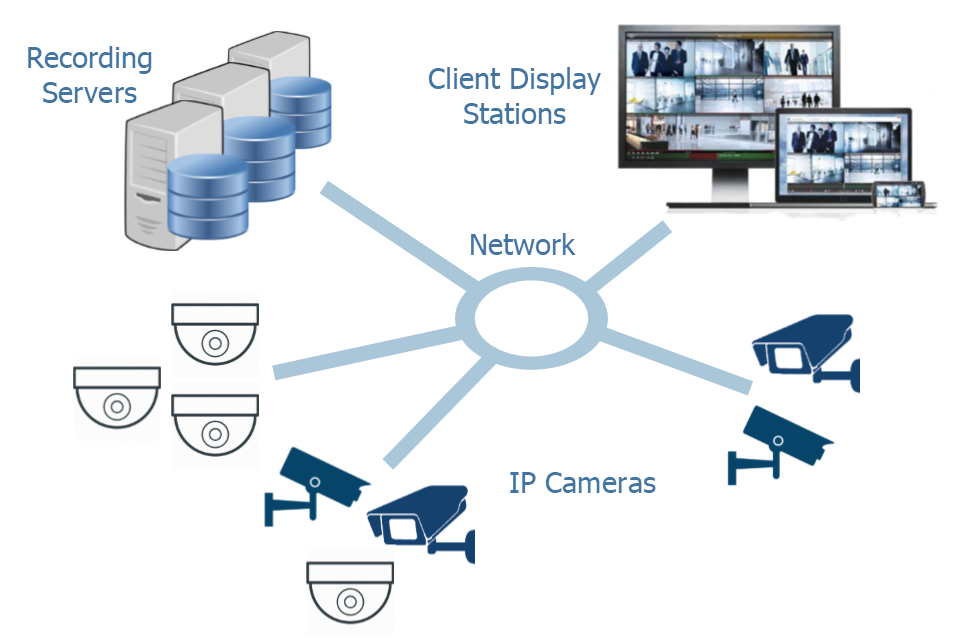
The IP camera system includes not only the cameras but also the video recording system. The cameras and the recording system connect to a network switch. The IP camera systems may also integrate with IP door access control and IP Intercoms.
This article describes how to install your IP camera system. It reviews all the steps required to mount the cameras, install it on the network, and connect it to your video recording system.
Despite the challenges caused by COVID-19, Kintronics continues
to respond to all the needs of our customers. Most of our staff are working remotely
to ensure that we continue to provide the best information, advice, and IP
security products. In light of this situation, we offer some suggestions that
may make this all a bit easier.
Take a Deep Breath
The tension caused by challenging times can cause many
health problems. I know that my lower back has been hurting for the last few
weeks. Tension! According to some people, anxiety is more dangerous than a
virus. I don’t know if this is true or not, but we certainly need to relax. Let’s take a deep breath. Focus on your
breathing. As you slowly breathe in and out, try to relax those tense muscles. Things
will get better. It just takes time.
In a message from Nathan O. Hatch from Wake Forest
University, “We at Wake Forest all have seen our day-to-day reality turned
topsy-turvy. The normal patterns of life have been rudely upended as we face
the reality of COVID-19 and its implications for our own health and that of our
families and communities.”
The Latest Network-Attached Multi-Tenant Building Intercoms
What is an Apartment Intercom?
An apartment intercom is a communication device used in the lobby or at the front entrance of a multi-tenant building or apartment house. It provides a connection to the tenants.
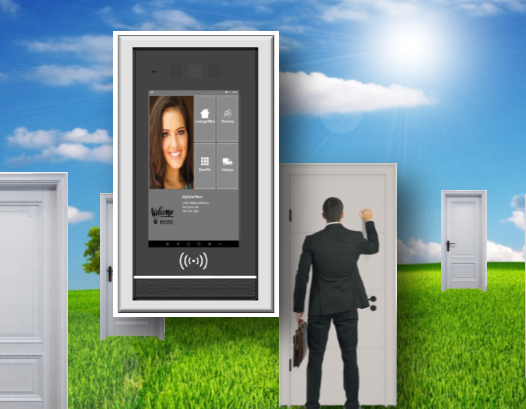
The new wireless intercom allows you to contact the resident’s smartphone or standard phone to request entry into the building. The lobby intercom display provides a list of all the tenants in the building.
The old apartment intercom systems were all analog-type intercoms and required wires from the lobby to all the apartments. Each apartment contained an answering intercom module. This intercom allowed the person in the apartment to talk to the visitor in the lobby. The tenant could then press the button to open the front door. These new IP intercoms replace the old analog intercoms.
Apartment Intercom Concept
The new IP apartment intercoms do the same thing and much more. This article provides information about the new IP apartment intercom systems.
The new IP access control systems connect to the network and provide the flexibility that allows you to install a single door at a time.
These new IP access control systems include the door reader and
controller that is all located at the door. The electric lock is connected to
the controller.
The older access control systems used a large central controller
that was located in a closet. The labor to run wires from the controller to the
reader, and the electric lock was high.
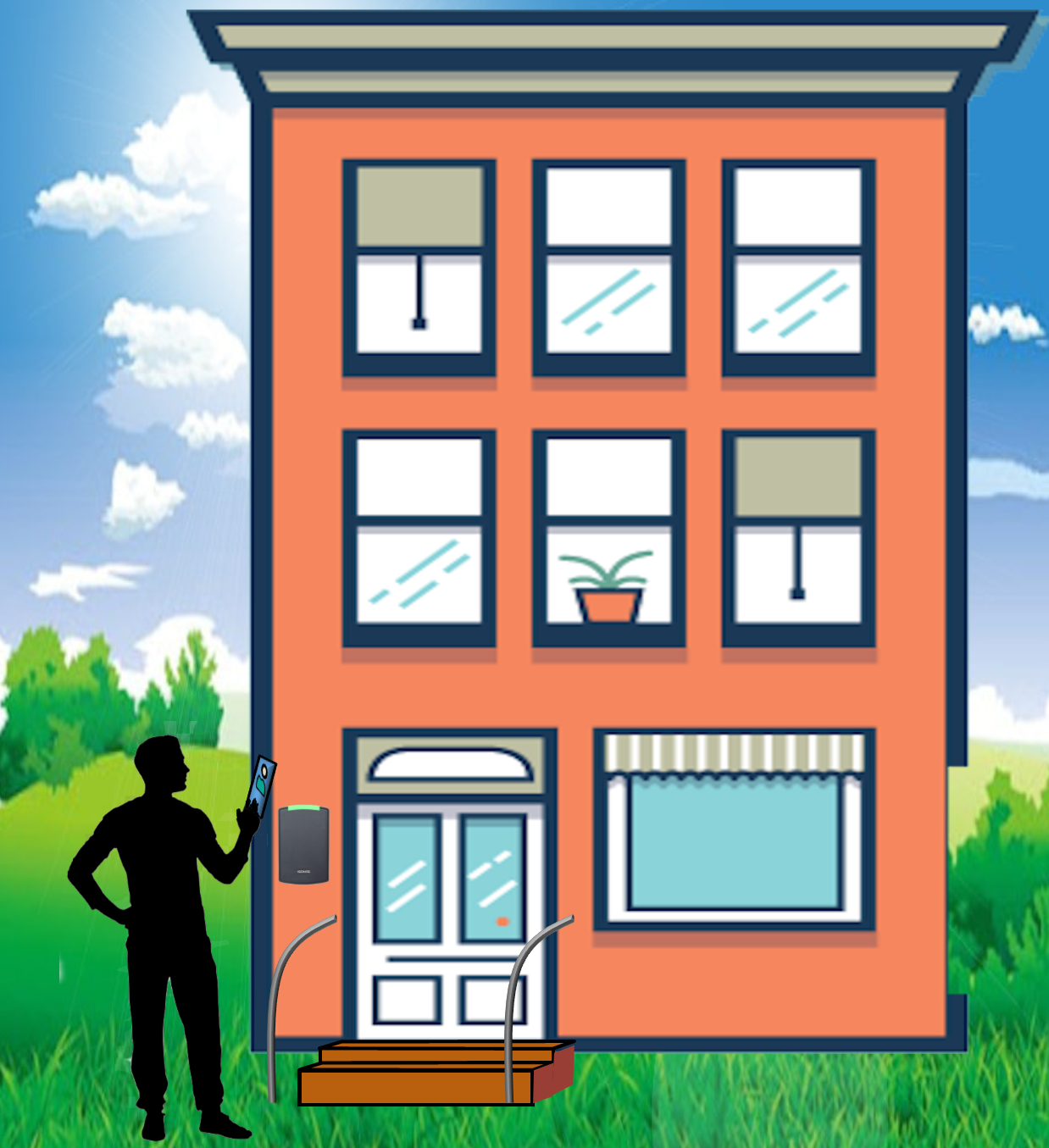
Today there are several ways to control a single door. There are single-door systems that use a keypad and IP door reader-controller systems that use card credentials or your smartphone for access.
This article compares the single-door access control systems that attach to the network.
A young driver became lost in a snowstorm. The teenager didn’t panic, however, because he remembered what his dad had once told him. “If you ever get stuck in a snowstorm, just wait for a snowplow to come by and follow it.”
Sure enough, pretty soon, a snowplow came by, and
he started to follow it. He followed the plow for about forty-five minutes.
Finally, the driver of the truck got out and
asked the teen what he was doing. And he explained that his dad had told him if
he ever got stuck in a snowstorm, to
follow a plow. The driver nodded and said, “Well, I’m done with the Wal-Mart parking lot, do you want to follow me
over to Best Buy now?”
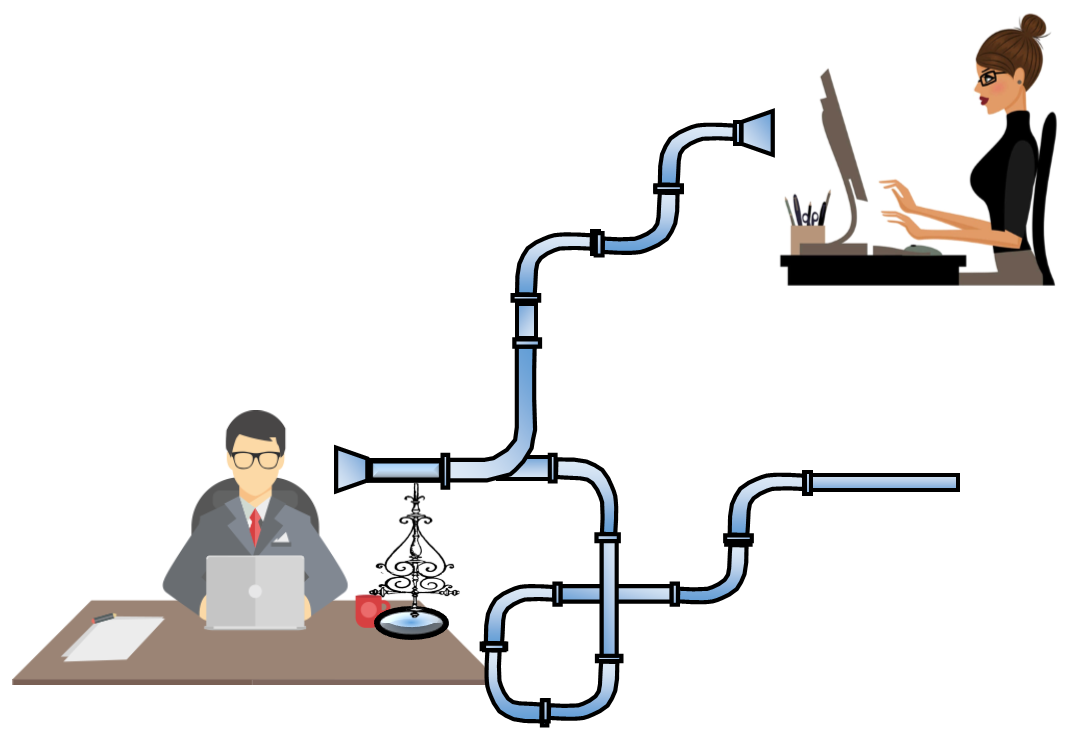
The first intercoms were developed in the late 1800s. They used
speaking tubes to talk to other people in the building.
Business organizations were the first to use these
intercoms. The office manager could reach his secretary or other people in
various departments in the building.
The invention of the telephone in the early 1900s made it
easier to connect everyone. By the 1950s,
the telephone connected people all over the world. The intercoms used the same
technology as the phone system. In the 1970s, the analog intercoms made it easy for
the manager to talk to the accounting department or the manufacturing floor.
Digital IP intercoms that attach to the network were made available
in the 1990s. It made it much easier to install intercoms around schools,
offices, and hospitals. The latest
intercom systems use smartphone apps and
cloud servers to enable direct communication all over the world. This article provides the pros and cons of
different intercom systems.
2019 was a year of evolution rather than revolution. Security technology evolved and became more powerful and easier to use.
IP camera manufacturers focused on enhancing their products. Access control systems became more user-friendly, added mobile capability, and made it easier to integrate with IP camera systems. Paging systems added intercoms with better full-duplex sound. Portable emergency buttons became more popular and effective.
Here are the highlights of the new products available in 2019