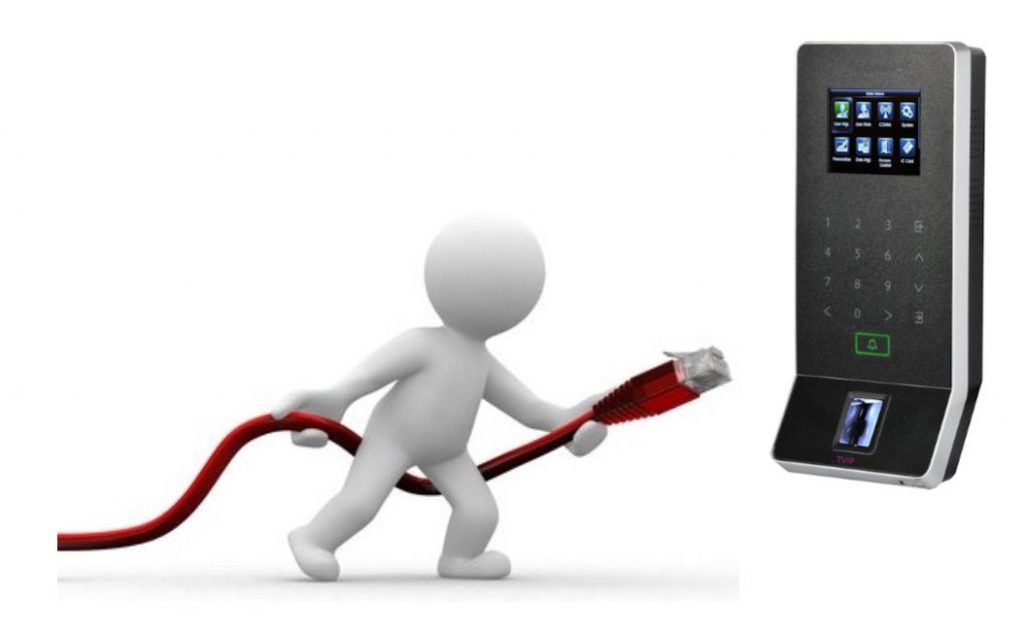
IP Door Access Control Systems are easy to install and provide excellent flexibility. There are RFID proximity IP readers and biometric door readers such as fingerprint or facial recognition readers, that connect to the network. In many cases, you can use PoE to power the reader and the electric lock.
An IP door access control reader is different from the older Wiegand door readers. Instead of connecting to a control panel, the door reader attaches to the network. All the intelligence is inside the reader. It maintains the rules and holds the database of users who can access the door.
This means that even if the network is down, the reader will still operate (if it has power). The door access software is used to manage and edit the information that’s stored in the readers. It only communicates with the readers when there is a change in the information.
This article takes the mystery out of network attached door access control systems and describes how to install them.
How to select the speakers and the number required in your school
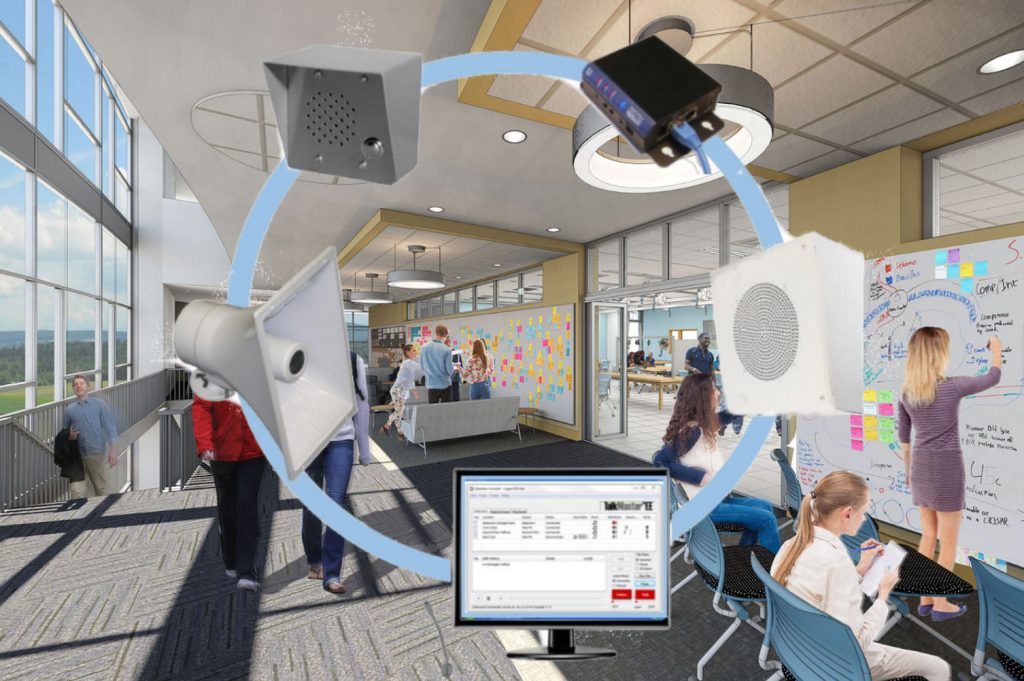
IP paging speaker placement and sound volume settings are key to providing clear sound in the school. Whether there is a general announcement or an emergency message, it’s important that the instructions can be heard and understood by everyone.
Network attached IP speakers are easy to install, but they must be placed in the right location, and the sound volume must be correct so that all locations are covered with clear sound.
This article provides guidelines for selecting the right IP paging speakers for your school. The article also helps you determine the number of speakers you need, and the amplification required.
How IP Camera Enclosures are Designed for High-Temperature Applications
Do you need to view a rocket launch or the inside of a blast furnace? The usual IP camera systems won’t survive these extreme conditions. These applications require a special camera enclosure that is designed for these extremely hot environments.
Applications for Thermal and Optical IP Camera Systems
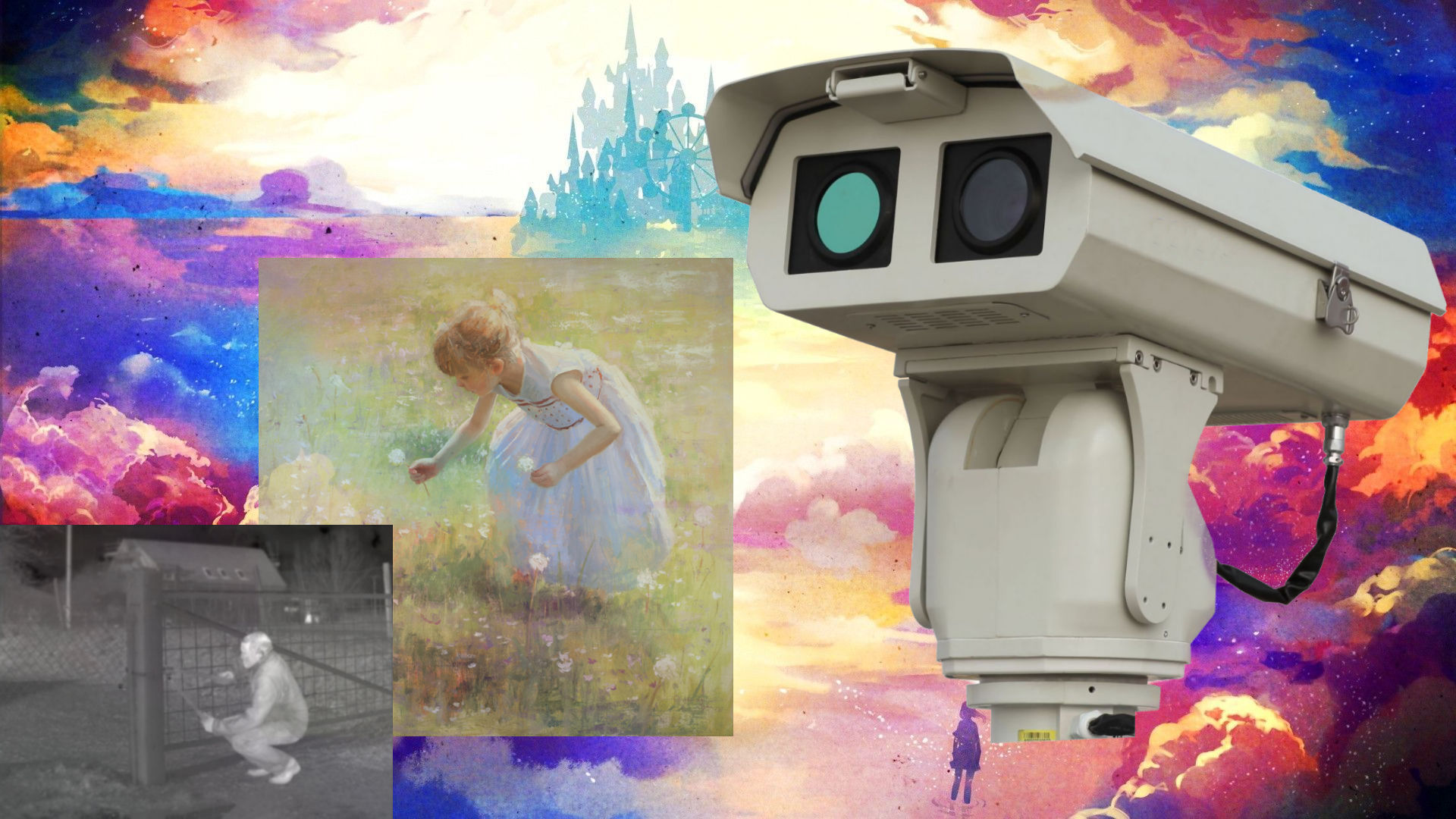
Thermal and optical IP cameras use different technologies to capture video. Each type of camera system provides a unique role in an IP video surveillance system. Systems that combine thermal and optical cameras provide a synergistic solution for long-range surveillance.
Long-Range Camera Concept
Thermal cameras are better for night viewing since they don’t require any light. The optical IP cameras require daylight or illumination at night and are best for identifying details such as a person’s face or a license plate number. This article describes when to use these camera systems.
On the last day of kindergarten, all the children brought presents for their teacher.
The florist’s son handed the teacher a gift. She held up the box and said, “I bet it’s some flowers!”
“That’s right!” shouted the little boy.
Then the candy store owner’s daughter handed the teacher a gift. She held up the box and said, “I bet it’s some chocolates!”
“That’s right!” shouted the little girl.
The next gift was from the liquor store owner’s son. The teacher held up the box and saw that it was leaking. She touched a drop with her finger and tasted it.
“Is it wine?” she asked.
“No,” the boy answered. The teacher touched another drop to her tongue.
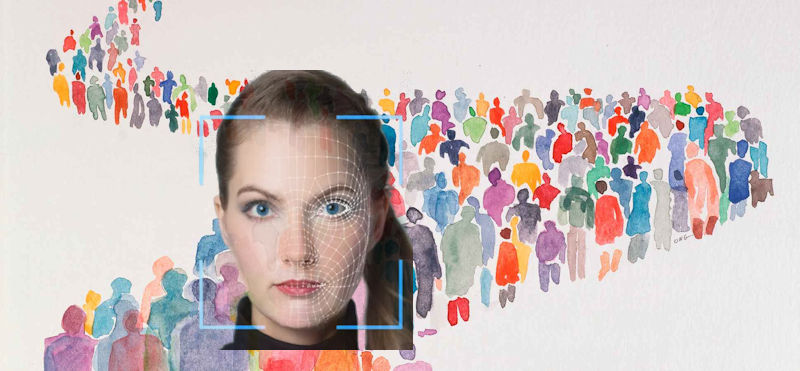
There are different methods used for matching facial biometrics. The simplest method measures various features of a person’s face, such as the distance between the eyes, or the position of the mouth to the nose. These geometric measurements or vectors are then coded and stored in a database for later comparison. This type of system is usually used in biometric door access control readers.
How much should you expect to pay for your IP camera? IP cameras range in price from under $200 to over $1000.
Since the price depends on what you need, you should always make sure you understand your objectives. For help in defining your requirements, take a look at our article,Defining Your Objectives.
Price varies with performance. The least expensive cameras have fixed lenses. Do you need a camera for a small room or an outdoor camera that can recognize a person over 300 ft. away? The more expensive cameras include variable lenses that you can adjust from your computer. Some high-performance very low-light outdoor cameras can see things by starlight.
I changed my iPod’s name to Titanic. It’s syncing now.
I don’t enjoy computer jokes. Not one bit.
When chemists die, they barium.
Jokes about German sausage are the wurst.
The teacher of the earth science class was lecturing on map reading.
After explaining about latitude, longitude, degrees and minutes the teacher asked, “Suppose I asked you to meet me for lunch at 23 degrees, 4 minutes north latitude and 45 degrees, 15 minutes east longitude…?”
After a confused silence, a voice volunteered, “I guess you’d be eating alone.”
I know a guy who’s addicted to brake fluid. He says he can stop any time.
I stayed up all night to see where the sun went. Then it dawned on me.