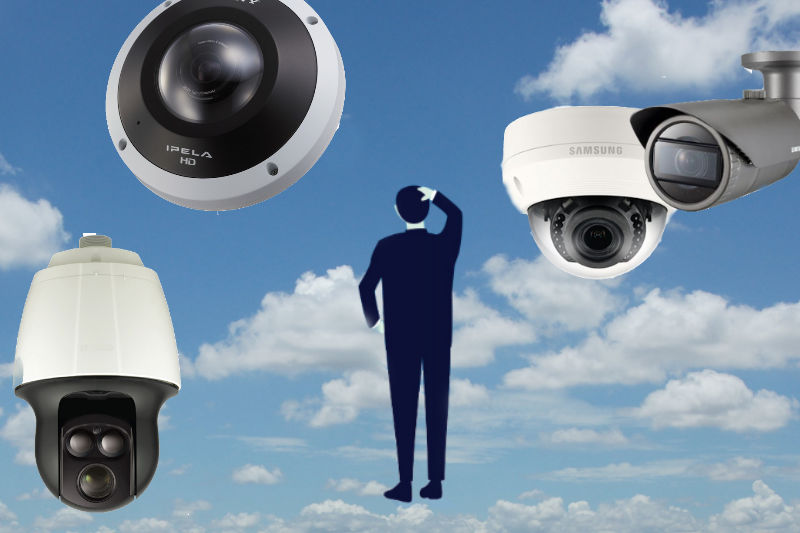
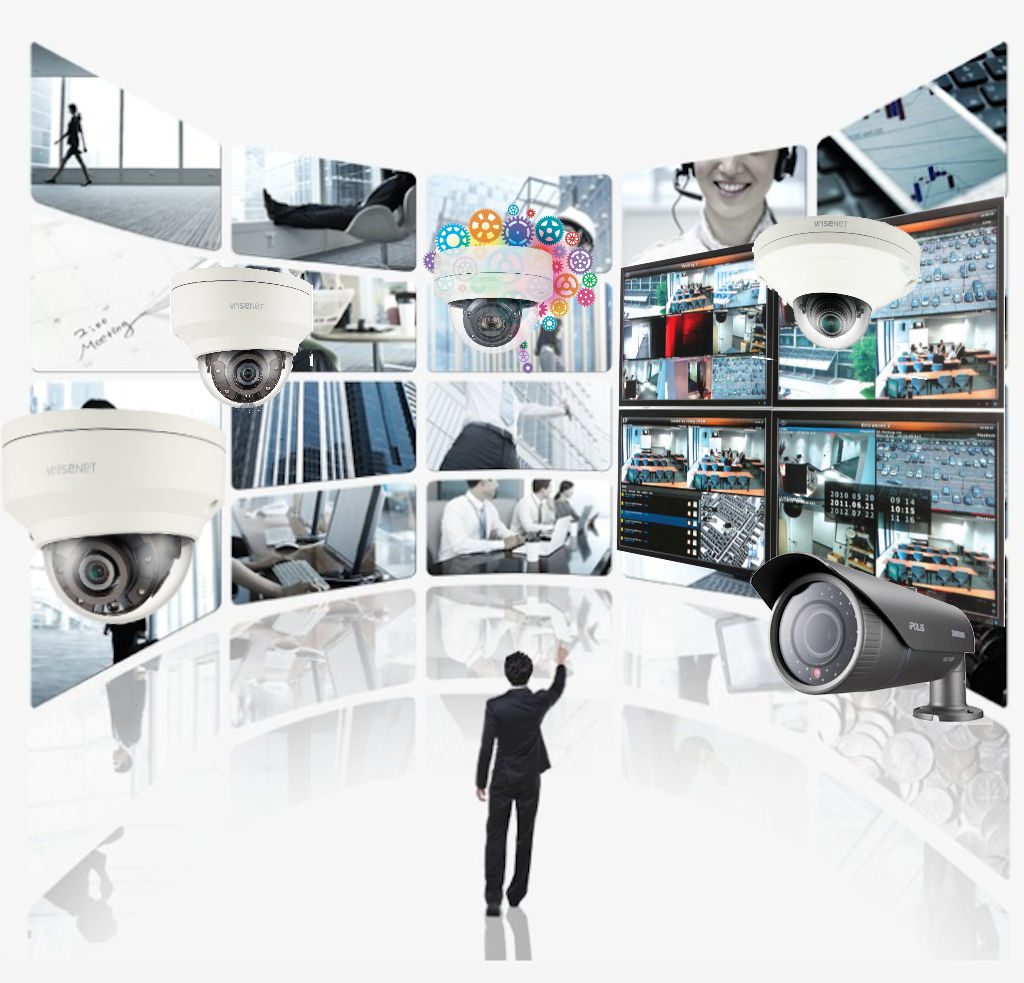
Comparison of Surveillance Cameras for Your IP Camera Systems
To determine the best surveillance camera, you must first understand your objectives. The purposes of your surveillance system include increased safety, reduced theft, improved productivity, or reducing liability. It also includes how quickly you need to be notified of an alarm condition.
Do you want to know when a person steals the laptop from the desk or leaves an unattended package, or do you need to record what happens in the parking lot?
This comparison of IP cameras focuses on the cameras. The camera is only one part of the IP camera system. The complete surveillance system includes a video recording and management system, network switches, and video storage system.
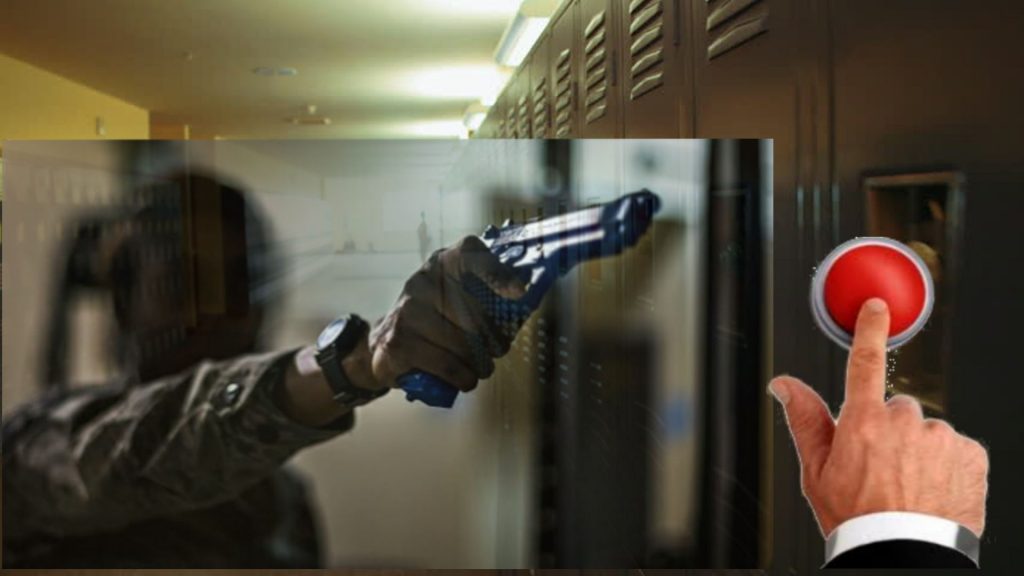
How to Integrate Panic Buttons into Your Security System
Panic buttons can be added to security systems to increase safety and security. For example, these alarm buttons can be integrated into a security system such as surveillance camera systems, Paging systems, and door access control systems. Placing panic buttons in strategic areas can help to assure quick response to emergencies. There is even a mobile personal panic button that can be carried with you.
Emergencies occur without warning. It could be a health problem, an active shooter situation, or a criminal attack. The panic button provides rapid emergency notification. Here’s how to add panic buttons to security systems.
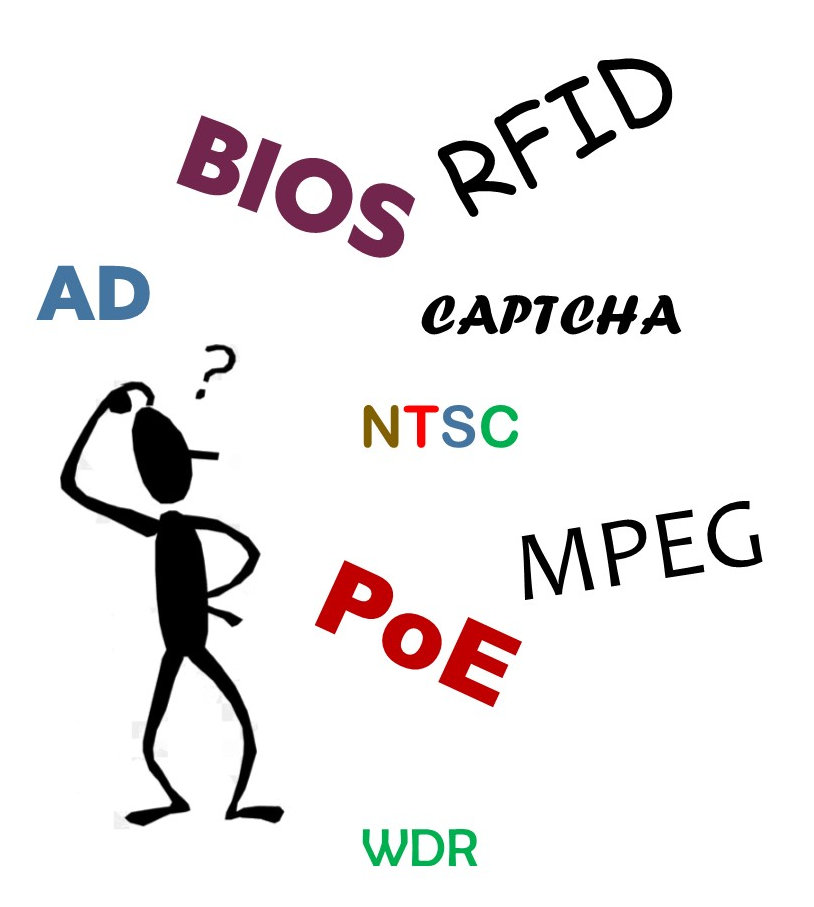
Glossary of Abbreviations and Acronyms used in the security business
When I started working for IBM many years ago, all the new employees had to go to training classes. They taught us all about their products. I found that I not only had to learn about their technology but also about the abbreviations and acronyms they used.
When I left IBM to work at another engineering company, I learned that many of the abbreviations I learned at IBM were not used in the general industry. I had to learn a new set of abbreviations and acronyms. You may have also noted that the government has their own language.
Here are examples of some technical abbreviations and acronyms:
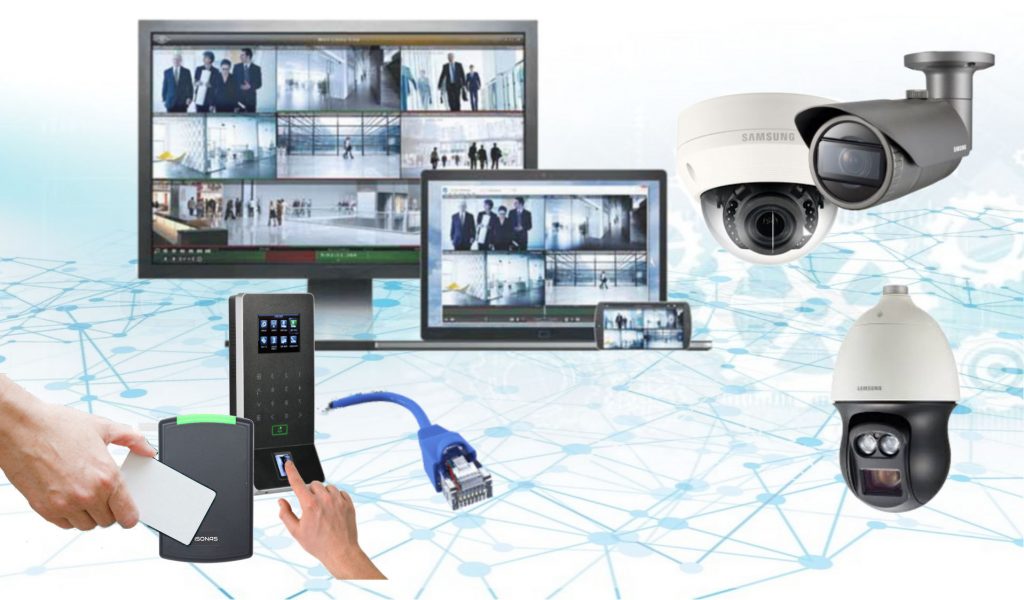
The best way to integrate IP Video and IP door access systems
Door Access Control and IP Camera Systems provide security by themselves. When the two systems are integrated, they provide a higher level of security and safety.
There are some different ways to integrate cameras and door control systems.
There are proprietary systems that only support specific hardware, and there are non-proprietary system solutions that can use more general hardware. This article provides the pros and cons of the different methods for integrating these security systems.
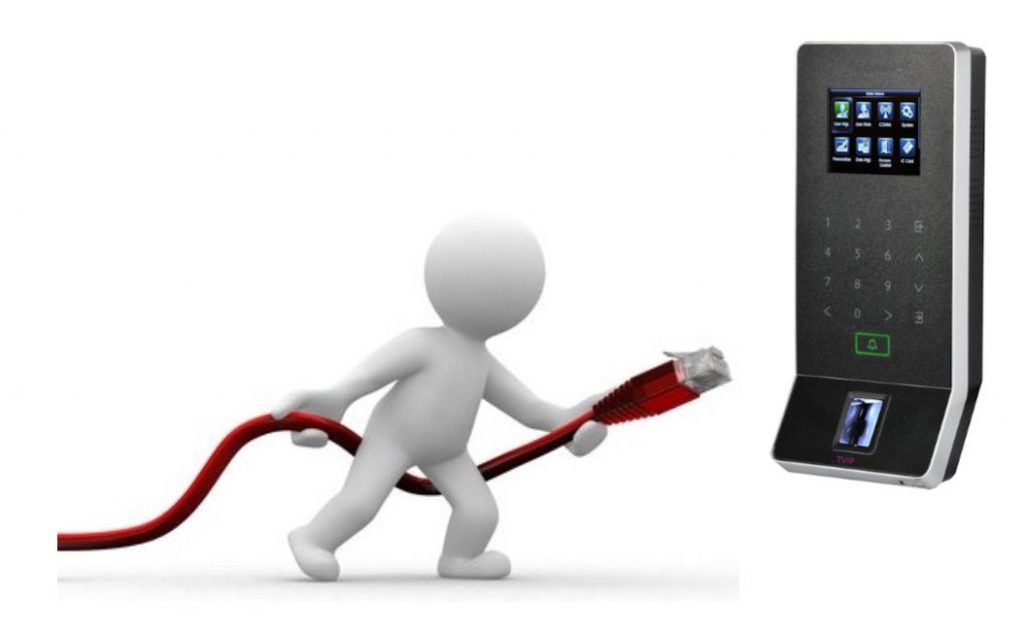
IP Door Access Control Systems are easy to install and provide excellent flexibility. There are RFID proximity IP readers and biometric door readers such as fingerprint or facial recognition readers, that connect to the network. In many cases, you can use PoE to power the reader and the electric lock.
An IP door access control reader is different from the older Wiegand door readers. Instead of connecting to a control panel, the door reader attaches to the network. All the intelligence is inside the reader. It maintains the rules and holds the database of users who can access the door.
This means that even if the network is down, the reader will still operate (if it has power). The door access software is used to manage and edit the information that’s stored in the readers. It only communicates with the readers when there is a change in the information.
This article takes the mystery out of network attached door access control systems and describes how to install them.
How to select the speakers and the number required in your school
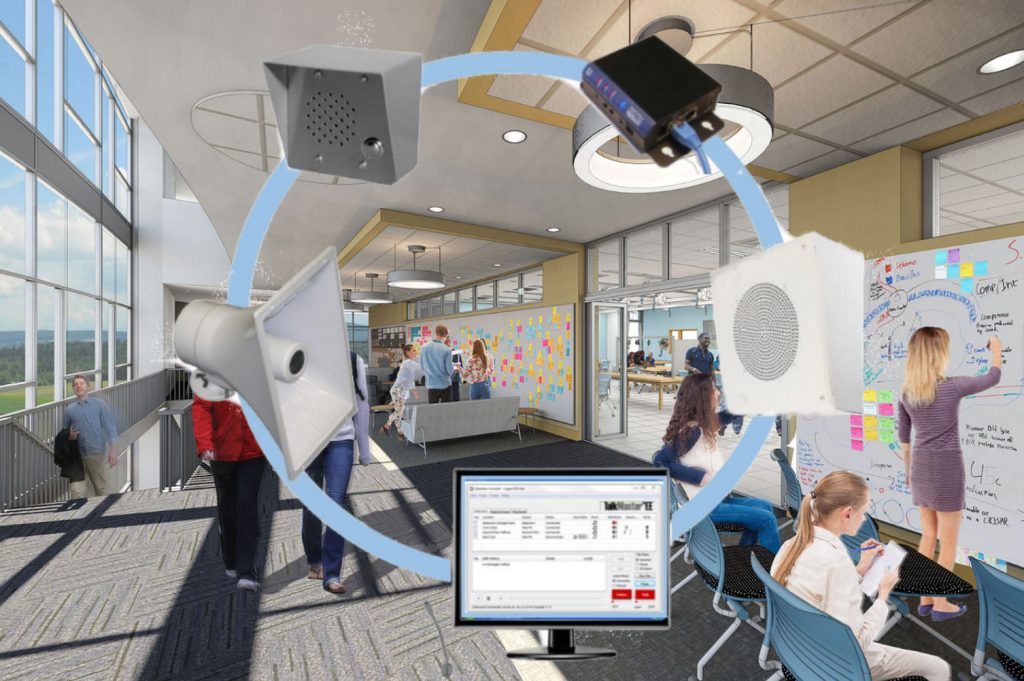
IP paging speaker placement and sound volume settings are key to providing clear sound in the school. Whether there is a general announcement or an emergency message, it’s important that the instructions can be heard and understood by everyone.
Network attached IP speakers are easy to install, but they must be placed in the right location, and the sound volume must be correct so that all locations are covered with clear sound.
This article provides guidelines for selecting the right IP paging speakers for your school. The article also helps you determine the number of speakers you need, and the amplification required.
How IP Camera Enclosures are Designed for High-Temperature Applications
Do you need to view a rocket launch or the inside of a blast furnace? The usual IP camera systems won’t survive these extreme conditions. These applications require a special camera enclosure that is designed for these extremely hot environments.
Applications for Thermal and Optical IP Camera Systems
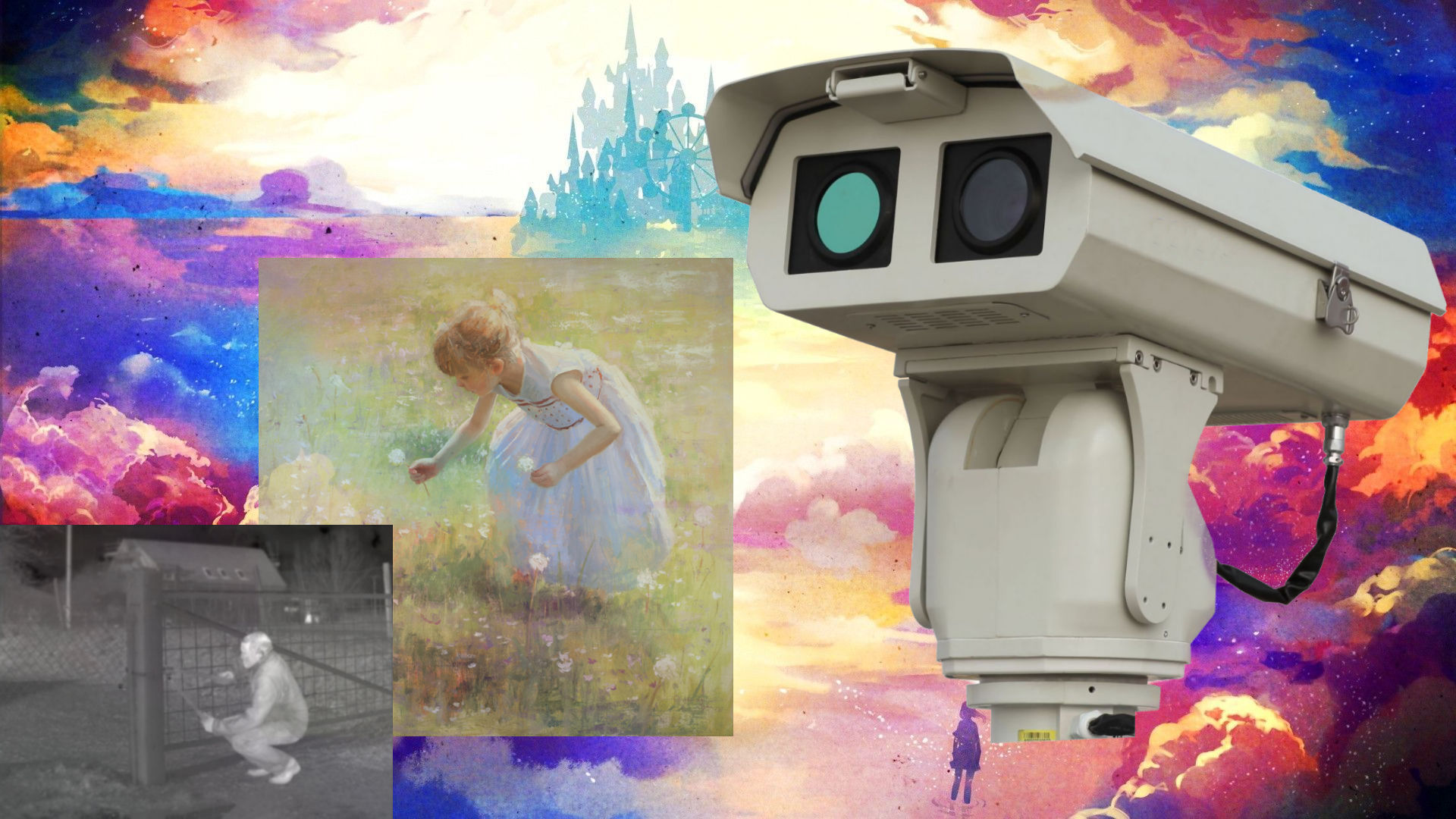
Thermal and optical IP cameras use different technologies to capture video. Each type of camera system provides a unique role in an IP video surveillance system. Systems that combine thermal and optical cameras provide a synergistic solution for long-range surveillance.
Long-Range Camera Concept
Thermal cameras are better for night viewing since they don’t require any light. The optical IP cameras require daylight or illumination at night and are best for identifying details such as a person’s face or a license plate number. This article describes when to use these camera systems.
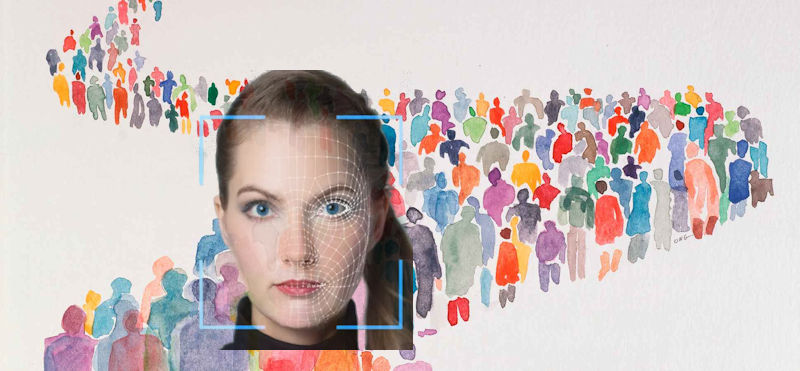
There are different methods used for matching facial biometrics. The simplest method measures various features of a person’s face, such as the distance between the eyes, or the position of the mouth to the nose. These geometric measurements or vectors are then coded and stored in a database for later comparison. This type of system is usually used in biometric door access control readers.
How much should you expect to pay for your IP camera? IP cameras range in price from under $200 to over $1000.
Since the price depends on what you need, you should always make sure you understand your objectives. For help in defining your requirements, take a look at our article,Defining Your Objectives.
Price varies with performance. The least expensive cameras have fixed lenses. Do you need a camera for a small room or an outdoor camera that can recognize a person over 300 ft. away? The more expensive cameras include variable lenses that you can adjust from your computer. Some high-performance very low-light outdoor cameras can see things by starlight.