Kintronics was founded May, 1977. The Kintronics history is one of change. Over the years, we constantly reinvented ourselves to assure that we were providing the right technology products to the market.
Kintronics Security Technology
In the beginning, we were a small regional distributor providing electronic components such as relays, power supplies, and monitors. In 1989 we hired a more technical staff, and our business model changed. We started selling complete systems such as CD-ROM drives and CD-recorders to schools and libraries. We provided a high level of technical support, and service. As technology changed, so did the products we offered. The CD-ROM drives became network attached CD-ROM servers, and in 1990 we added optical disc libraries from Panasonic that automated archiving of computer data.
Bill walks into his boss’s office one day and says, “Sir, I’ll be straight with you, I know the economy isn’t great, but I’ve got three companies after me, and I’d like to respectfully ask for a raise.”
After a few minutes of haggling. the boss finally agrees to give him a 5% raise, and Bill happily gets up to leave.
“By the way”, asks the boss as Bill is leaving his office, “which three companies are after you?”
Bill replies, “The electric company, water company, and phone company.”
Two factory workers are talking.
The woman says, “I can make the boss give me the day off.” The man replies, “And how would you do that?”
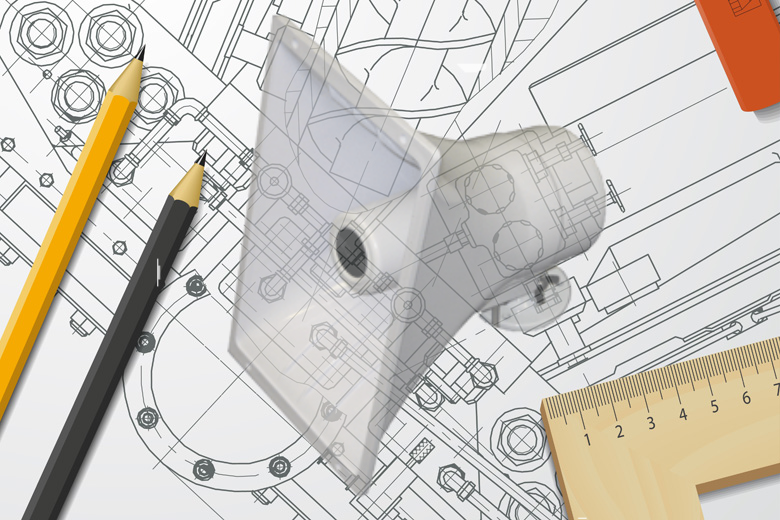
The secret to designing your sound system is to start at the ears.
The design of an IP paging system starts with the sound level required for people to hear an announcement. Once we know the right sound level, we can define everything else.
The sound level we hear is affected by the background noise, the distance from the IP speaker, and if we are indoors or outdoors.
We require different paging equipment if the system is used in an office building, or a noisy manufacturing plant. We select different IP speakers and amplifiers when we are inside a classroom, or when we are in the hallways of the school. This article describes how to calculate the speaker, the power required at each speaker, and the best place to mount the speakers.
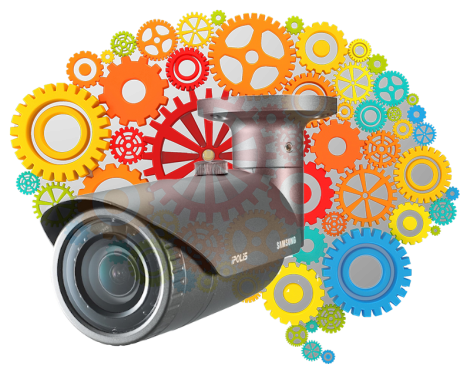
Intelligent IP cameras are providing advanced detection capability.
Would you like to know the moment when someone takes your laptop? Would you like to know when someone screams in the lobby of your building? How about detecting a gunshot? The latest IP cameras have quite a lot of built-in intelligence. They help protect people and assets. They notify you of dangerous situations, help deter terror attacks, and even tell you how many people have visited your store.
The first video cameras consisted mostly of analog electronics. They were mostly amplifiers, filters, and power supplies. Today’s IP cameras are digital and include powerful computers. The computers provide many different functions from processing the video image to connecting the IP camera to the Ethernet network.
Last year I upgraded from Boyfriend 5.0 to Husband 1.0 and I noticed a distinct slowdown in the overall system performance, particularly in the flower and jewellery applications, which operated flawlessly under Boyfriend 5.0.
In addition, Husband 1.0 uninstalled many other valuable programs, such as Romance 9.5 and Personal Attention 6.5 , and then installed undesirable programs such as NEWS 5.0 , MONEY 3.0 and ESPN 4.1.
Conversation 8.0 no longer runs, and Housecleaning 2.6 simply crashes the system.
Please note that I have tried running Nagging 5.3 to fix these problems, but to no avail. What can I do?
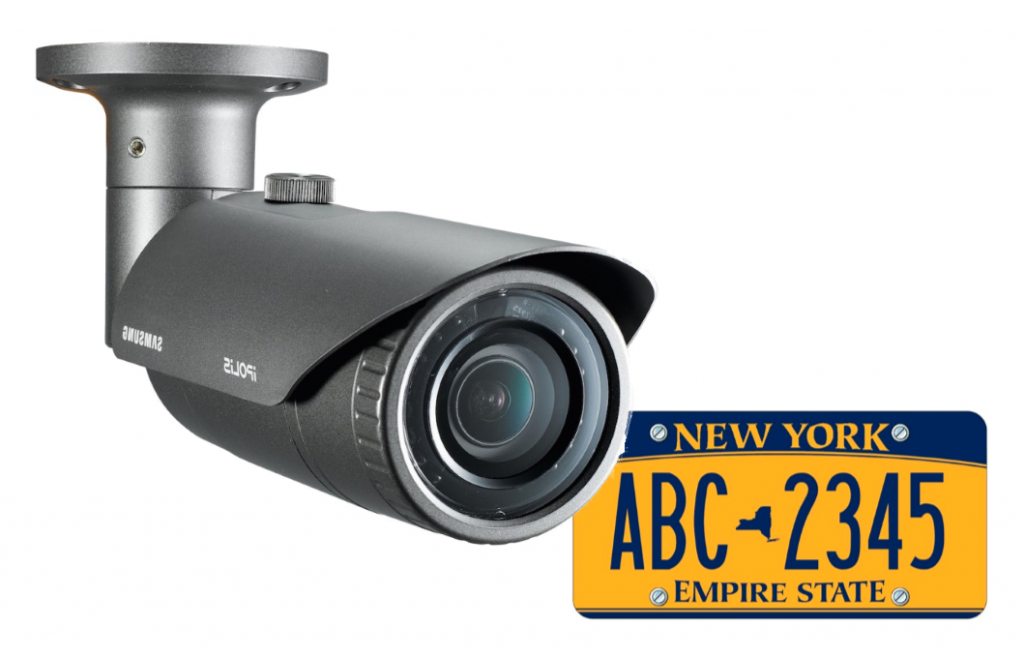
How Automated License Plate Recognition (ALPR) Works
You may not have realized it, but Automated License Plate Recognition (ALPR) technology is all around us. It is used for toll collecting, to control access to parking lots and even to capture criminals. The technology has improved over the years and has become more economical.
Besides the analytic software that converts the image to computer characters, the system requires a good IP camera. It also requires proper lighting and the correct physical placement of the camera.
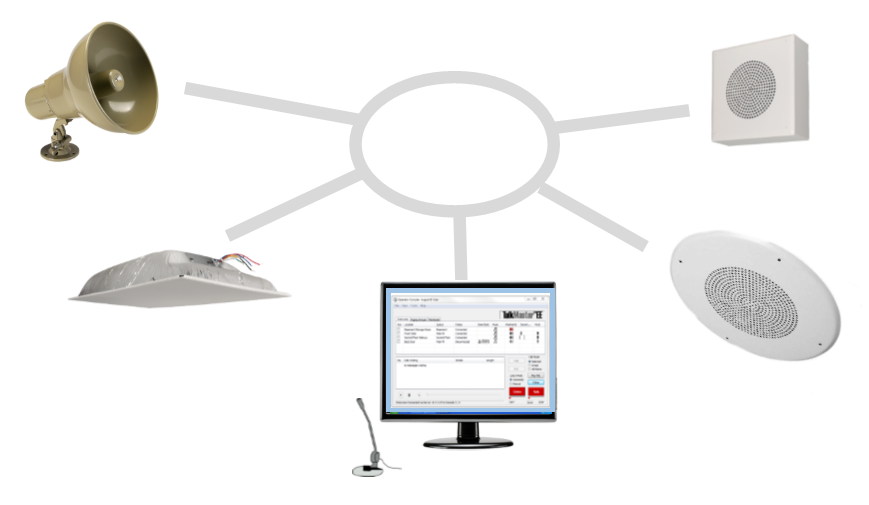
IP powered speakers connect to a PoE type network switch.
The speakers include built-in amplifiers. They use PoE, so no additional power connections are required. Just plug the speaker into your network switch.
Each speaker can be addressed individually by the paging software. You can make a page to a single speaker, a group of speakers, or to all the speakers on the network. These IP powered speakers are very easy to install and provide excellent flexibility.
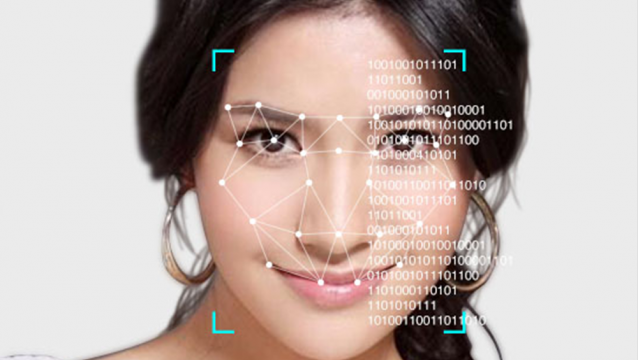
Facial recognition systems are now available as part of video recording software systems.
The Technology for Facial Recognition
There are two primary methods for capturing and matching facial information.
The first measures various features of a person’s face, such as the distance between the eyes, or the position of the mouth to the nose. These geometric measurements or vectors are then stored in a database for later comparison.
The second method is far more complex. It captures the full facial image and uses as much information as it can. It then uses various computer algorithms, including machine learning, to build a set of definition data. This statistical database increases the reliability, as well as the cost of the system.
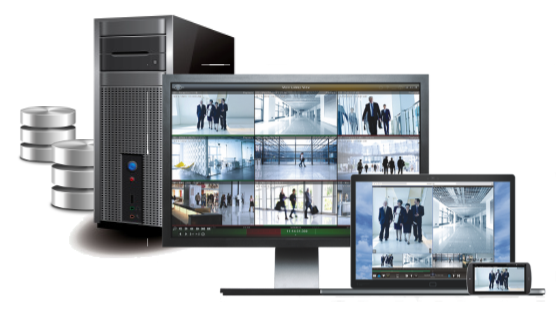
Most NVRs, video management software systems, or even a cloud system will provide basic video recording. But, if you want to support many cameras at multiple sites, you need a more advanced system.
This article helps you determine the best recording system for your application. It compares simple systems that are used for a handful of cameras, to complex systems that can handle thousands of cameras at multiple sites. Your total system requirements will determine the best video recording system.